Wallpaper can add character and personality to a home, but outdated patterns, peeling seams, and faded colors can eventually make a room feel less inviting. When homeowners in Worthington, OH, decide to refresh their interiors, one important question often comes up: Should the wallpaper be removed before painting, or can a new coat of paint be applied directly over it?
The answer depends on the wallpaper’s condition, the type of adhesive used, and the condition of the underlying walls. While painting over wallpaper may seem like a convenient shortcut, removing it is often the better choice for achieving a smooth, durable finish. Understanding the process can help homeowners make informed decisions before hiring an interior painter in Worthington, OH.
Why Wallpaper Removal Matters Before Interior Painting
Wallpaper creates a distinct surface that differs from a standard painted wall. Even when it appears to be in good condition, hidden issues beneath the paper can affect the final appearance of a new paint job. An experienced interior painter in Worthington, OH, can assess the condition of the wallpaper and determine whether removal is necessary.
Creating a Smooth and Professional Finish
Paint is only as smooth as the surface beneath it. Wallpaper seams, raised edges, wrinkles, and textured patterns can remain visible after painting. Applying several coats of paint may cover the wallpaper’s color, but it will not necessarily eliminate these imperfections.
Removing wallpaper allows the underlying wall to be inspected, repaired, and prepared before new paint is applied. For homeowners seeking clean lines and an even finish, professional wallpaper removal is often an important first step.
Preventing Peeling and Surface Problems
Old wallpaper may have loose seams, weakened adhesive, or areas where the paper is beginning to separate from the wall. Painting over these problems can trap them beneath the new coating. As the wallpaper continues to loosen, the paint may crack, bubble, or peel along with it.
A qualified interior painter in Worthington, OH, can identify these warning signs and recommend the appropriate preparation process. Addressing the underlying issue before painting helps reduce the likelihood of premature paint failure.
When Can Wallpaper Be Painted Over?
Wallpaper removal is not always required in every situation. Some wallpaper is firmly attached, relatively smooth, and free from visible damage. In these cases, painting over it may be possible with the right preparation.
Assessing the Wallpaper’s Condition
Before deciding to paint over wallpaper, the surface should be checked for peeling edges, bubbling, tears, moisture damage, and loose seams. Multiple layers of wallpaper may also create problems by adding unevenness to the wall.
An interior painter in Worthington, OH, can evaluate whether the existing wallpaper provides a suitable base for painting. If the surface is unstable or heavily textured, removal is generally a more reliable approach.
Considering the Type of Wallpaper
Different wallpaper materials respond differently to moisture, adhesives, and paint. Vinyl-coated wallpaper, for example, may require specialized preparation to help paint adhere properly. Certain wallpapers may also conceal damage that is not immediately visible.
A professional assessment can help determine whether the wallpaper should be removed completely or prepared for a carefully planned painting application.
The Wallpaper Removal and Painting Process
Professional wallpaper removal involves more than simply pulling paper from the wall. Removing it too aggressively can damage the drywall or plaster underneath, creating additional repair work before painting can begin.
Preparing the Room
Before work starts, furniture and flooring should be protected from moisture, adhesive residue, and debris. Electrical fixtures, trim, and other surfaces may need to be covered or carefully protected.
An experienced interior painter in Worthington, OH, will also evaluate the wall surface and identify areas that may require extra attention during removal.
Removing Wallpaper Carefully
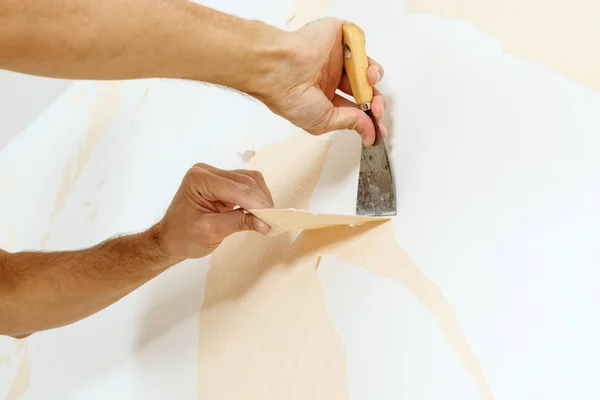
Depending on the wallpaper and adhesive, removal may involve scoring the paper, applying an appropriate solution, steaming, or using specialized tools. The goal is to loosen the wallpaper and adhesive without unnecessarily damaging the wall beneath it.
Some wallpaper may come off in layers, while other installations may require more extensive work. Careful removal helps create a better foundation for the next stage of the project.
Repairing and Preparing the Walls
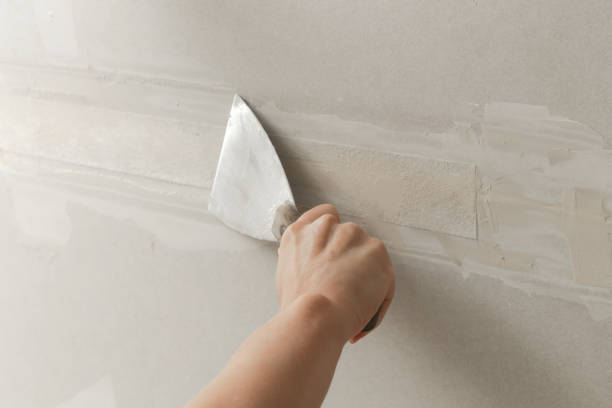
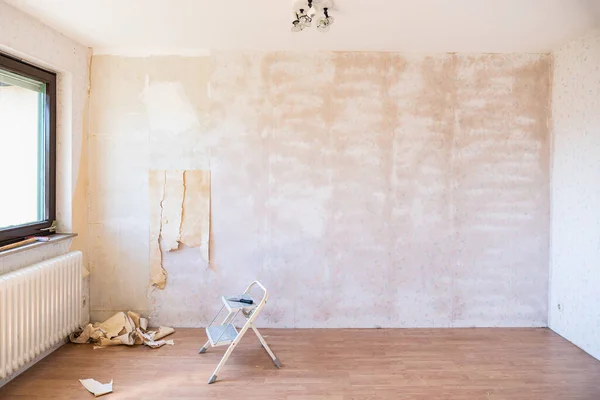
Once the wallpaper has been removed, adhesive residue must be addressed. The walls may also have small holes, scratches, gouges, or uneven areas that need repair.
An interior painter in Worthington, OH, can prepare the surface through appropriate patching, sanding, cleaning, and priming. This preparation is essential because even minor imperfections can become more noticeable under fresh paint.
Choosing the Right Paint After Wallpaper Removal
After the walls have been properly prepared, homeowners can begin considering colors, finishes, and the overall atmosphere they want to create. A fresh coat of paint can make a room feel brighter, more spacious, or more cohesive with the rest of the home.
Selecting Colors for Each Room
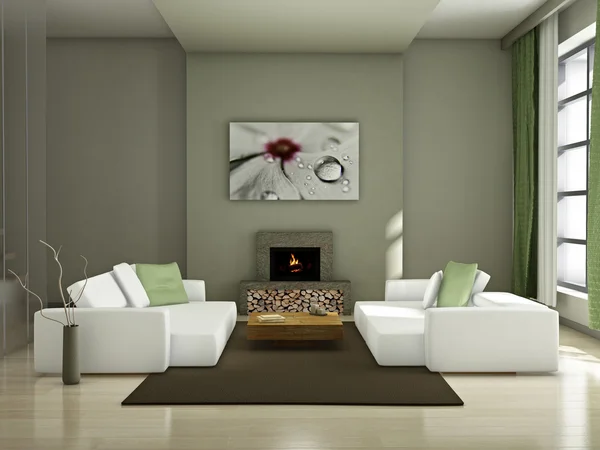
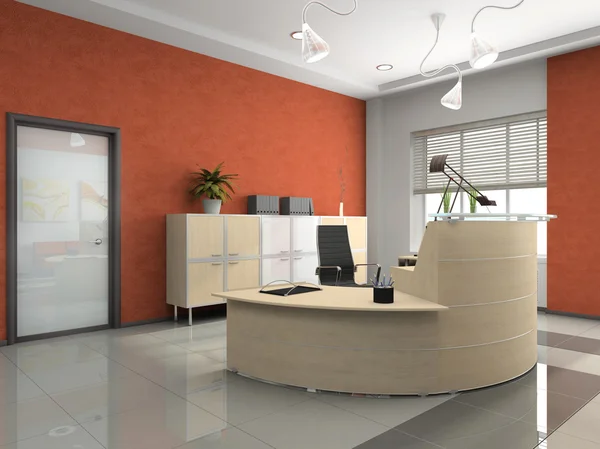
Neutral colors can create a timeless backdrop in living rooms, hallways, and bedrooms, while deeper shades can add warmth and character to selected spaces. The best choice depends on the room’s natural lighting, furnishings, and intended use.
An interior painter in Worthington, OH, can help homeowners consider how different colors will look across walls, ceilings, doors, and trim. Thoughtful color planning can make the finished space feel more balanced.
Choosing the Appropriate Finish
Paint sheen also affects the appearance and maintenance of an interior. Matte and eggshell finishes can provide a softer look, while satin and semi-gloss finishes may be useful in areas that need easier cleaning or additional durability.
A knowledgeable interior painter in Worthington, OH, can recommend finishes based on the room’s function, the condition of the walls, and the desired appearance.
Choose Best Impression Painting: Your Trusted Interior Painter in Worthington, OH
Give your home a fresh, updated look with Best Impression Painting, your trusted interior painter in Worthington, OH. From careful wallpaper removal and detailed wall preparation to smooth, beautiful paint finishes, our team delivers quality craftsmanship tailored to your home.
Schedule your consultation today and take the first step toward revitalizing your interiors.